
Percent Ionic Character Calculator
Ionic Character Calculator
Enter electronegativity values
Percent Ionic Character Calculator
He Percent Ionic Character Calculator is an essential chemistry tool used to determine how ionic or covalent a chemical bond is based on the electronegativity difference between two atoms. This ionic character calculator online is widely used by students, educators, and researchers to quickly analyze bond ionic character using scientifically accepted equations derived from the Pauling scale.
Understanding percent ionic character of a bond helps explain bond polarity, molecular behavior, solubility, and reactivity—making this calculator a core utility in modern chemistry education and practice.
What Is Percent Ionic Character Calculator?
The Percent Ionic Character Calculator is an online chemistry tool that calculates the ionic character percentage of a chemical bond by using the electronegativity difference (ΔEN) between two bonded atoms.
In chemistry, no bond is purely ionic or purely covalent. Instead, bonds exist on a spectrum. This ionic vs covalent character calculator quantifies where a bond lies on that spectrum by converting electronegativity difference into a percentage.
Why It Matters in Chemistry
- Determines bond polarity
- Explains molecular properties
- Helps classify ionic vs covalent bonds
- Used in academic exams and lab analysis
- Supports chemical modeling and simulations
This chemistry percent ionic character tool removes manual errors and delivers fast, reliable results.
Step-by-Step Manual Calculation
Although the bond ionic character calculator automates the process, understanding the steps improves conceptual clarity.
Step 1: Find Electronegativity Values
Step 2: Calculate EN Difference
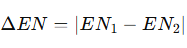
Step 3: Apply the Formula
Step 4: Interpret the Result
0–5% → Non-polar covalent
5–50% → Polar covalent
>50% → Ionic character dominant
Percent Ionic Character Explained Simply
1. Larger electronegativity difference → higher ionic character
2. Smaller difference → more covalent behavior
3. No bond is 100% ionic in reality
This makes the best percent ionic character calculator a valuable learning and analysis tool.
How This Calculator Works
Input Required
1. Electronegativity of Atom A
2. Electronegativity of Atom B
Output Provided
1. Ionic character percentage
2. Interpretation of bond nature
This ionic character calculation online tool instantly evaluates the bond without requiring manual computation.
Percent Ionic Character Formula
Percent Ionic Character Equation

Where:
ΔEN = difference in electronegativity between two atoms
This ionic character formula chemistry standard is accepted globally and used in textbooks and research.
Percent Ionic Character Example
Example: Na–Cl Bond
Parameter Value
EN (Na) 0.93
EN (Cl) 3.16
ΔEN 2.23

Interpretation: Sodium chloride has strong ionic character.
This percent ionic character example demonstrates how ionic bonds form due to large electronegativity differences.
Ionic Character Percentage Interpretation Table
| Percent Ionic Character | Bond Type |
|---|---|
| 0–4% | Pure covalent |
| 5–30% | Polar covalent |
| 31–60% | Strongly polar |
| 61–100% | Ionic dominant |
This table is frequently used alongside a covalent to ionic character calculator.
FAQs
How to calculate percent ionic character?
Percent ionic character is calculated using the electronegativity difference and the Pauling equation.
What is the formula for ionic character?

Is percent ionic character always accurate?
What determines ionic vs covalent character?
Electronegativity difference primarily determines bond character.