
Cultural Ethnicity Calculator
Cultural Ethnicity is not simply about DNA tests. A Ethnicity Calculator will help you discover the culture that your recent ancestors brought with them by using genealogical and national origin data. This method differs from DNA tests, as culture, migration, and ancestry are the focus.
In this article, we will discuss what cultural ethnicity is, how it differs from genetic ethnicity, and how an ethnicity calculator based on ancestry works.
Heritage Results
What Is Cultural Ethnicity?
Cultural ethnicity is the cultural identity that was inherited from an individual’s most recent ancestors. It derives from the individual’s tradition, language, customs, migration patterns and the national or ethnic origin of their ancestors and has been documented via genealogical research.
Instead of being determined by DNA, Cultural Ethnicity Calculator is established based on one of the following four factors:
A. Family Records
B. Immigration History
C. Nationality of Parents/Grandparents
D. Cultural Traditions & Practices Built Over Many Generations
Cultural Ethnicity Calculator reflects the way in which an individual’s ancestors lived (the way they lived, not just where their Ancient DNA originated is based) based on documentation that supports Historical and Documented Data.
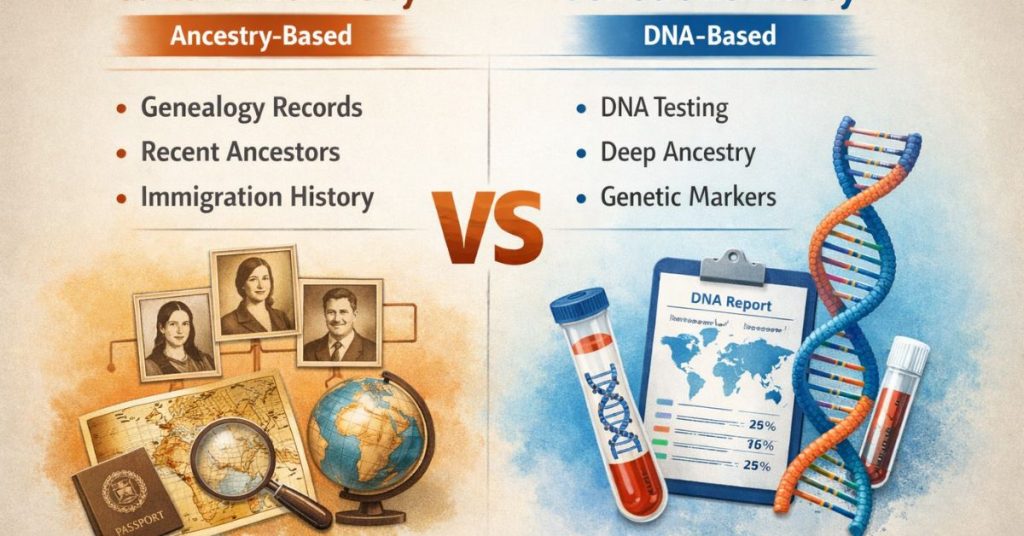
Cultural Ethnicity vs Genetic Ethnicity
Cultural ethnicity and genetic ethnicity are often mistaken for one another; however, they have different definitions as follows:
Cultural ethnicity is:
A) demonstrated through genealogical research
B) based on recently located family trees
C) reported in terms of a person’s identity and the culture they belong to
D) limited only to available historical records
Genetic ethnicity is:
A) demonstrated through DNA testing,
B) done by taking someone’s DNA and determining ways in which it matches to certain geographic populations,
C) done by taking DNA results from someone and identifying that person’s very distant relatives through shared DNA.
Note: The amount/accuracy of results is due to the amount of data contained in the research databases and the geographic estimates used.
While Cultural Ethnicity Calculator can occasionally provide unexpected insight about long lost family members, genetic ethnicity can provide more accurate insight about the culture(s) and/or ethnic group(s), which resulted in the formation of the family’s identity today.
What Is a Cultural Ethnicity Calculator?
A Calculator of Cultural Ethnicity is a tool that estimates a specific cultural background by means of a form. It has fields where the results may be traced back to ancestry/ethnicity on both the father and mother’s side over three generations (i.e. Parent(s), Grandparent(s) and Great Grandparent(s)) to show the most dominant as well as the second most dominant cultural influences.
This type of genetic calculator is beneficial for:
a. To help trace one’s genealogy
b. To study culture
c. To explore yourself as an individual
d. To use for educational purposes
How the Cultural Ethnicity Calculator Works
The Cultural Ethnicity Calculator is based on a hierarchy model of ancestry. When nation of nationality or ethnic group information is entered for one person, it is automatically recorded to that person as well as its ancestor unless specified otherwise.
Key points
a. Parent and grandparent data inheritance
b. Manual overrides for exceptions
c. Supports mixed cultural backgrounds
d. Reflects recent ancestral influence
This structure mirrors how cultural traits are commonly passed down through families.
Step-by-Step Instructions to Use the Calculator
1. Input the subject’s ethnicity
- Type in the dominant member of this group.
2. Enter parent ethnicities
- If you type any values for parents, those will automatically receive the same values as their parent.
3. Specify exceptions
If a grandparent or ancestor has a different ethnicity, you would type that into their existence box.
4. Review the cultural ethnicity calculation results.
Upon entering all of this data, you will then have a calculated cultural ethnicity for your subject based upon this information.
This approach provides consistency throughout all possible ethnic groupings of an individual while maintaining an accurate depiction of all families being mixed; thus making sure that each family has multiple options to report on.
Why Cultural Ethnicity Calculator Is Important
A person who has cultural ethnicity is likely to understand:
1. The traditions and customs that are passed down from generation to generation.
2. How language and region can influence a person’s culture.
3. The events that took place due to the movement and immigration of people.
4. The social and historical identity of a person.
Unlike genetic ethnicity, where the family history can go back thousands of years, cultural ethnicity focuses more on the modern, traceable family history that plays a major role in determining a person’s family identity today.
When to Use Cultural vs Genetic Ethnicity
Use cultural ethnicity when:
a. Researching family history
b. Studying cultural identity
c. Exploring immigration patterns
Use genetic ethnicity when:
a. Investigating deep ancestral origins
c. Complementing genealogical data
d. Exploring ancient population movements
Both approaches provide value, but they answer different questions.
Frequently Asked Questions
Is cultural ethnicity more accurate than genetic ethnicity?
Purpose determines the accuracy of your measurement. There are two levels of cultural ethnicity: recent and culturally based, known as Cultural Ethnicity Calculator and historical, broad, and genetically based, known as ethnic identity.
Can cultural ethnicity change over time?
Does the calculator require DNA data?
No. Cultural, ethnic, or national identity calculators are based only on genealogical/national origin data that relates to the ethnic or cultural identity of a person.
Can I calculate mixed ethnicity?
Yes. The calculator allows you to enter multiple ethnic or cultural identities from previous generations.
Is Cultural Ethnicity Calculator scientifically valid?
It has existed for some time and has been supported by historical and social validity. As such, it reflects a person’s documented cultural history rather than a person’s DNA.